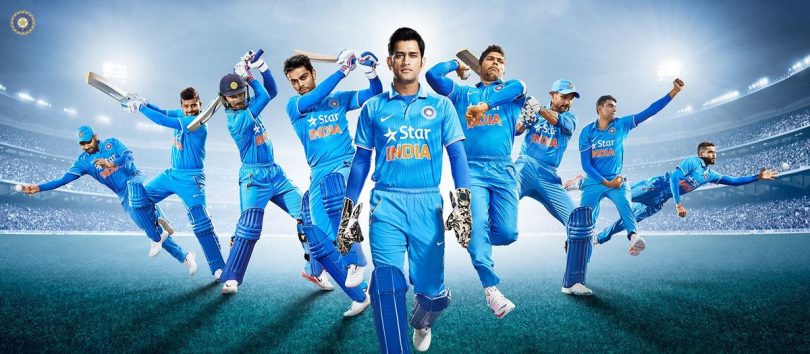

Cricket has grown far beyond a traditional sport played in a few countries. Today, it is a global entertainment industry followed by millions of fans across continents. The way people consume cricket has also changed dramatically. Instead of waiting for newspapers or evening bulletins, fans now receive updates instantly through digital platforms, social media, and live broadcasts.
This constant flow of information has turned cricket coverage into a fast-moving ecosystem where every match, decision, and performance becomes part of a larger global conversation. Understanding how cricket updates are created, shared, and followed gives a clearer picture of why the sport remains one of the most talked-about games in the world.
The Evolution of Cricket Coverage
In earlier decades, cricket reporting was limited to newspapers, radio commentary, and occasional television highlights. Fans often waited until the next day to learn match results or player performances. Today, that delay has completely disappeared.
With digital platforms, cricket information is now available in real time. Live score apps, sports websites, and social media platforms provide ball-by-ball updates. This transformation has made the sport more engaging, especially for younger audiences who prefer instant access to information.
Major governing bodies like the International Cricket Council have also adapted to this change by improving digital coverage and making global tournaments more accessible through online streaming and official updates.
International Cricket and Global Attention
International cricket remains the backbone of the sport. Matches between national teams attract massive global audiences, especially during major tournaments such as the ICC Cricket World Cup and T20 World Cup.
Teams like India, Australia, England, Pakistan, and South Africa generate huge interest whenever they compete. Rivalries such as India vs Pakistan are among the most watched sporting events worldwide, often breaking digital streaming records.
Test cricket, One Day Internationals (ODIs), and T20 Internationals each offer different styles of play, and fans closely follow news from all formats. Test cricket is valued for its tradition and strategy, while T20 cricket is known for its fast pace and entertainment value.
International fixtures also play a key role in shaping player rankings, selection debates, and long-term team strategies, all of which are widely discussed in sports media coverage.
The Rise of Franchise Leagues
One of the biggest transformations in cricket over the past two decades has been the rise of franchise-based leagues. These tournaments have changed how fans engage with the sport and how players build their careers.
The most popular among them is the Indian Premier League. The IPL has become a global brand, attracting top players from around the world and offering high-intensity matches almost daily during the season.
Other leagues like the Big Bash League in Australia, The Hundred in England, and various Caribbean and South African leagues also contribute to year-round cricket entertainment.
These leagues generate constant news cycles. From team selections and player auctions to match performances and injury updates, there is always something happening. This continuous flow of content keeps fans engaged even outside international cricket seasons.
Player Performances and Storylines
Cricket coverage is not only about matches but also about the players themselves. Individual performances often become headline stories. A century in a pressure situation, a five-wicket haul, or a match-winning innings can instantly turn a player into a trending topic.
Young emerging talents are frequently highlighted in sports discussions, while experienced players are followed for their consistency and leadership. Player fitness, form, and selection debates are also major talking points in cricket media.
Captains and coaches play a crucial role in shaping team strategies, and their decisions are often analyzed in detail by experts and fans alike. This creates a continuous narrative that goes beyond the game itself.
Domestic Cricket and Talent Development
While international and franchise cricket receive the most attention, domestic cricket is the foundation of the sport. Every major cricketing nation has domestic tournaments that help identify and develop future stars.
In countries like India, England, and Australia, domestic cricket systems are highly structured. Players who perform well at the domestic level often earn opportunities in national squads or franchise leagues.
This level of the game rarely gets global headlines, but it plays a critical role in maintaining the long-term strength of cricket teams. Coaches, selectors, and analysts closely follow domestic performances to identify promising talent.
Women’s Cricket and Growing Recognition

Women’s cricket has seen remarkable growth in recent years. Increased investment, better broadcasting, and international tournaments have helped raise its profile significantly.
The International Cricket Council has supported the development of women’s tournaments, leading to more structured competitions and wider visibility.
Events like the Women’s T20 World Cup and various franchise-based women’s leagues have attracted large audiences and inspired a new generation of players. Coverage of women’s cricket has improved as well, with dedicated match reports, analysis, and highlights becoming more common.
This growth has made cricket more inclusive and diversified the global fan base.
Technology and Real-Time Updates
Technology has completely changed how cricket information is delivered. Fans now expect instant updates, advanced statistics, and detailed match analysis.
Modern cricket platforms provide:
- Ball-by-ball commentary
- Live score updates
- Video highlights
- Player performance graphs
- Predictive analytics
Artificial intelligence and data analytics are increasingly used to study player performance and match outcomes. This has added a new layer of depth to cricket analysis, making it more scientific and data-driven.
Social media platforms also play a major role. Players share updates directly with fans, while sports journalists and commentators provide real-time opinions during matches.
The Role of Media in Shaping Cricket Narratives
Sports media plays a powerful role in shaping how cricket is perceived. Headlines, expert analysis, and post-match discussions influence public opinion about teams and players.
Television networks, digital sports platforms, and independent analysts all contribute to cricket storytelling. Post-match shows, interviews, and podcasts provide deeper insights into strategies and performances.
However, media coverage can sometimes amplify pressure on players, especially after poor performances. At the same time, it can elevate rising stars quickly by highlighting their achievements.
Fan Engagement and Social Media Culture
Modern cricket is heavily influenced by fan engagement. Social media platforms allow fans to express opinions instantly, celebrate victories, and criticize performances.
Memes, highlight clips, and fan debates are now a normal part of cricket culture. This interaction between players and fans has made the sport more interactive than ever before.
Cricket boards and teams also use digital platforms to share behind-the-scenes content, training sessions, and announcements, creating a closer connection with supporters.
Challenges in Modern Cricket Reporting
While access to information has improved, cricket reporting also faces challenges. The speed of digital news sometimes leads to misinformation or unverified updates. Rumors about player injuries, transfers, or selection changes can spread quickly before being confirmed.
Another challenge is balancing entertainment with accuracy. In the race to publish first, some platforms may prioritize speed over verification. This makes reliable journalism even more important in the cricket ecosystem.
Additionally, managing large volumes of data from multiple matches, leagues, and formats can be overwhelming for both media outlets and fans.
The Future of Cricket Coverage
The future of cricket news is likely to become even more technology-driven. Virtual reality, augmented reality, and advanced data visualization may soon become part of the viewing experience.
Fans may be able to watch matches from immersive perspectives or access real-time tactical insights during games. Artificial intelligence will continue to improve match predictions and performance analysis.
At the same time, the human aspect of storytelling will remain important. Emotional narratives, player journeys, and match drama will continue to be at the heart of cricket coverage.
Conclusion
Cricket has evolved into a global spectacle supported by fast, dynamic, and highly interactive coverage systems. From international tournaments to franchise leagues and domestic competitions, the sport generates constant updates that keep fans engaged throughout the year.
The combination of technology, media, and fan participation has transformed cricket into more than just a game—it is now a continuous global conversation. As innovation continues, the way cricket information is delivered will keep evolving, but the passion of fans will remain the same.
Cricket news today is not just about scores and results; it is about stories, emotions, and the shared experience of millions of people around the world.