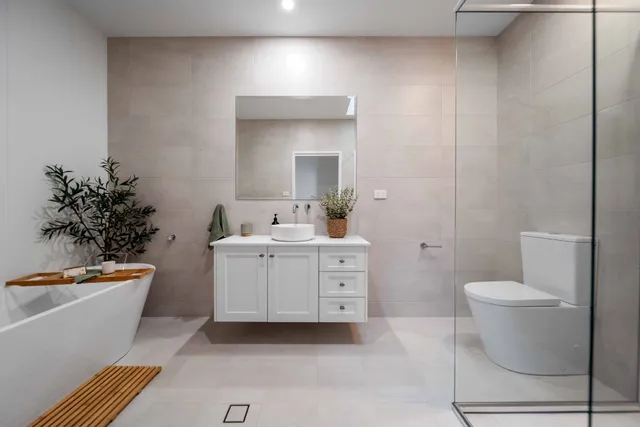

A bathroom renovation can completely change how your home looks, feels, and functions. Whether your existing bathroom feels outdated, lacks storage, has an awkward layout, or simply no longer suits your lifestyle, a well planned renovation can turn it into a comfortable and practical space.
For homeowners considering nowra bathroom renovations, the key is to plan carefully before construction begins. From setting a realistic budget to choosing fixtures, selecting finishes, improving storage, and organising plumbing and electrical work, every decision can affect the final result.
A successful renovation should not only look attractive. It should also be durable, easy to maintain, comfortable to use, and suited to the needs of your household.
Start With a Clear Bathroom Renovation Plan
Before choosing tiles or tapware, think about what you want to achieve. A clear plan helps you make better decisions and gives your builder a practical understanding of your expectations.
Consider how the bathroom is currently used and what is not working. You may need additional storage, better lighting, a larger shower, improved ventilation, or a more efficient layout.
Define Your Main Renovation Goals
Your priorities will depend on your home and lifestyle.
Some homeowners want a modern appearance, while others are more focused on functionality or improving the long term value of their property.
Common goals include:
- Creating more usable space
- Improving storage and organisation
- Updating outdated fixtures and finishes
- Making the bathroom easier and safer to use
Writing down your priorities early can help prevent unnecessary changes later.
Set a Realistic Bathroom Renovation Budget
Budgeting is one of the most important parts of any bathroom renovation. There is no single price that applies to every project because costs depend on the size of the bathroom, the complexity of the work, the materials selected, and whether plumbing or electrical systems need to be changed.
A basic cosmetic update will generally require a different budget from a complete renovation involving demolition, new plumbing, electrical work, waterproofing, tiling, fixtures, and painting.
Allow for the Important Costs
Your budget should account for both visible and behind the scenes work.
Consider costs associated with:
- Demolition and waste removal
- Plumbing and electrical work
- Waterproofing and tiling
- Fixtures, fittings, vanity and finishes
It is also sensible to discuss potential unexpected issues with your builder before work begins. Older bathrooms can sometimes reveal problems once existing surfaces are removed.
Assess Your Existing Bathroom Layout
The layout has a major influence on how practical your new bathroom will be.
Before changing everything, consider whether the current arrangement actually needs to be redesigned. Keeping plumbing in similar locations can sometimes simplify the renovation, while a new layout may provide much better functionality if the existing space is poorly designed.
Think about the position of the shower, toilet, vanity, bath, door, windows, storage, and circulation space.
Make Better Use of Available Space
A small bathroom does not necessarily have to feel cramped. Careful planning can make even limited space feel more open and practical.
Wall mounted vanities, mirrored cabinets, recessed niches, appropriate shower screens, and thoughtful door positioning can all contribute to a more efficient layout.
If the current arrangement works well, you may be able to retain much of it while upgrading the finishes and fixtures. If it does not, discuss alternative layouts with your renovation professional.
Choose a Style That Works for Your Home
Your bathroom should feel like part of your home rather than a completely separate space.
Think about whether you prefer a contemporary, minimalist, classic, coastal, natural, or more luxurious style. Choosing a general design direction early makes it easier to coordinate tiles, colours, tapware, cabinetry, mirrors, lighting, and other finishes.
Create a Consistent Colour and Material Palette
You do not need to use many different materials to create an impressive bathroom.
A simple combination of complementary colours and textures can create a sophisticated result. Neutral tiles can provide a timeless foundation, while cabinetry, tapware, lighting, mirrors, and accessories can introduce personality.
When selecting materials, think beyond appearance. Bathrooms experience moisture, temperature changes, regular cleaning, and daily use, so durability should always be part of the decision.
Select Bathroom Fixtures Carefully
Fixtures have a significant effect on both appearance and everyday functionality.
The vanity, toilet, shower, bath, tapware, basin, mirrors, and accessories should work together rather than being selected individually without considering the overall design.
Quality fixtures can also make the bathroom more comfortable to use and may provide long term value.
Balance Style With Practicality
A beautiful fixture is not necessarily the right fixture for every bathroom.
Consider the available space, cleaning requirements, storage needs, household size, and how the bathroom will be used.
For example, a large vanity may provide excellent storage but could make a compact bathroom feel crowded. Similarly, a freestanding bath can create a strong visual feature but may not be practical if floor space is limited.
Plan Lighting and Electrical Requirements
Good lighting can make a bathroom feel larger, brighter, and more welcoming. It also improves visibility for everyday tasks such as shaving, applying makeup, grooming, and cleaning.
A renovation provides an opportunity to reconsider existing lighting rather than simply replacing an old fitting with a similar one.
Combine Different Types of Lighting
A well designed bathroom can benefit from a combination of general, task, and feature lighting.
Consider practical lighting around mirrors and vanity areas, along with appropriate general illumination for the room.
Electrical work should be planned carefully and completed by appropriately qualified professionals. Powerbuild Homes includes electrical work such as rewiring, modern lighting, and outlets as part of its bathroom renovation services.
Do Not Overlook Plumbing and Waterproofing
Plumbing is one of the most important parts of a bathroom renovation, even though much of it is hidden once the project is complete.
Poorly planned plumbing can affect water flow, drainage, fixture positioning, and the overall functionality of the room.
Waterproofing is equally important because bathrooms are constantly exposed to moisture.
Get Behind the Walls Right
If plumbing needs to be relocated, this should be considered during the design stage rather than after construction has started.
Professional planning can help ensure that pipes, drainage, fixtures, and electrical components are coordinated before walls and finishes are completed.
Powerbuild Homes provides plumbing services including pipe rerouting and new fixture installation as part of its Nowra bathroom renovation work.
Choose Tiles for Appearance and Performance
Tiles are one of the most noticeable elements of a bathroom, so choosing them carefully can have a major impact on the finished design.
Consider colour, texture, size, pattern, cleaning requirements, durability, and suitability for wet areas.
Large format tiles can create a clean, contemporary appearance, while smaller tiles can introduce texture and visual interest. The right choice depends on the design and characteristics of your bathroom.
Think About Maintenance
A bathroom should look good without becoming difficult to maintain.
When choosing tiles and grout, consider how easily surfaces can be cleaned and how they will perform with regular exposure to water.
Powerbuild Homes works with local suppliers to provide a selection of tiles, patterns, and grout options for bathroom renovation projects.
Improve Storage Without Cluttering the Room
Storage is often one of the biggest challenges in bathroom design.
Toiletries, towels, cleaning products, grooming equipment, and other everyday items can quickly make a bathroom look untidy if there is not enough storage.
Use Practical Storage Solutions
Consider vanity drawers, mirrored cabinets, wall storage, recessed shower niches, and other solutions that make use of available space without taking over the room.
Good storage should keep frequently used items accessible while allowing the main surfaces to remain clear.
Plan Ventilation and Comfort
Bathrooms need effective ventilation because moisture can build up quickly during showers and baths.
Poor ventilation can contribute to condensation, unpleasant odours, and moisture related problems.
A suitable exhaust fan, appropriate ventilation strategy, and good airflow can help maintain a more comfortable bathroom environment.
Natural light and windows can also influence the atmosphere of the room, although privacy and practical requirements should always be considered when planning them.
Understand the Renovation Process
Knowing what to expect can make the renovation experience less stressful.
Powerbuild Homes describes its bathroom renovation process as a series of stages beginning with consultation and design, followed by a detailed quotation, construction, and final handover.
Typical Renovation Stages
While every project is different, the process commonly involves:
- Initial consultation and assessment
- Design, selections and planning
- Quotation and project preparation
- Demolition and construction
- Installation, finishing and final inspection
Having the major decisions made before construction begins can help reduce delays and unnecessary changes.
Choose the Right Bathroom Renovation Builder
The builder you choose can have a major influence on the quality and smoothness of your renovation.
Look for experience, appropriate licensing, clear communication, transparent pricing, quality workmanship, and evidence of previous projects.
It is also important to discuss how unexpected problems will be handled. A good renovation process should keep you informed if circumstances change.
Ask the Right Questions
Before committing to a renovation, ask about the project scope, quotation, expected timeline, materials, warranties, communication process, and responsibilities.
Powerbuild Homes states that it provides detailed quotations, regular project updates, waste removal, and warranty coverage for its renovation work.
The company also has more than 25 years of industry experience and services Nowra and the wider Shoalhaven region.
Think About Long Term Value
A bathroom renovation should be designed for more than the immediate visual transformation.
Consider how your household might use the bathroom several years from now. A practical layout, durable materials, sensible storage, good lighting, and quality fixtures can help the space remain useful as your needs change.
A well planned renovation can also improve the overall presentation and functionality of your home.
Design for Everyday Living
The best bathroom is not necessarily the one with the most expensive finishes.
It is the one that works well for the people using it every day.
Think about your morning routine, storage habits, cleaning preferences, privacy requirements, and accessibility needs. These practical considerations can make a bigger difference to your satisfaction than purely decorative features.
Final Checklist Before Construction Begins
Before the renovation starts, review your plans carefully.
Make sure the layout, fixtures, finishes, budget, project scope, and important selections have been discussed with your builder.
Confirm the Details
A final review can help identify issues before they become expensive changes during construction.
Check that:
- The bathroom layout meets your needs
- Fixtures and finishes have been selected
- The quotation and project scope are understood
- Plumbing, electrical and other required work has been discussed
Good preparation creates a stronger foundation for a smoother renovation.
Conclusion
Planning a bathroom renovation requires more than choosing attractive tiles and fixtures. A successful project combines thoughtful design, practical space planning, appropriate materials, reliable plumbing and electrical work, effective storage, ventilation, and careful budgeting.
For homeowners considering nowra bathroom renovations, taking the time to plan each stage can help create a bathroom that is stylish, functional, comfortable, and built to suit everyday life. Powerbuild Homes provides comprehensive bathroom renovation services across Nowra and the Greater Shoalhaven region, covering areas including demolition, plumbing, electrical work, tiling, painting, and fixture installation.
For more information, visit Nowra Bathroom Renovations and explore how your existing bathroom can be transformed into a space that better suits your home and lifestyle.
Powerbuild Homes brings more than 25 years of building experience to bathroom renovations, helping homeowners across Nowra and the Shoalhaven create quality spaces tailored to their needs.