
Most people skip the lab report entirely. They see a percentage on the front of the bag, assume that’s the whole story, and move on. That number is maybe ten percent of what a real Certificate of Analysis is telling you, and skipping the rest means you’re basically buying blind.
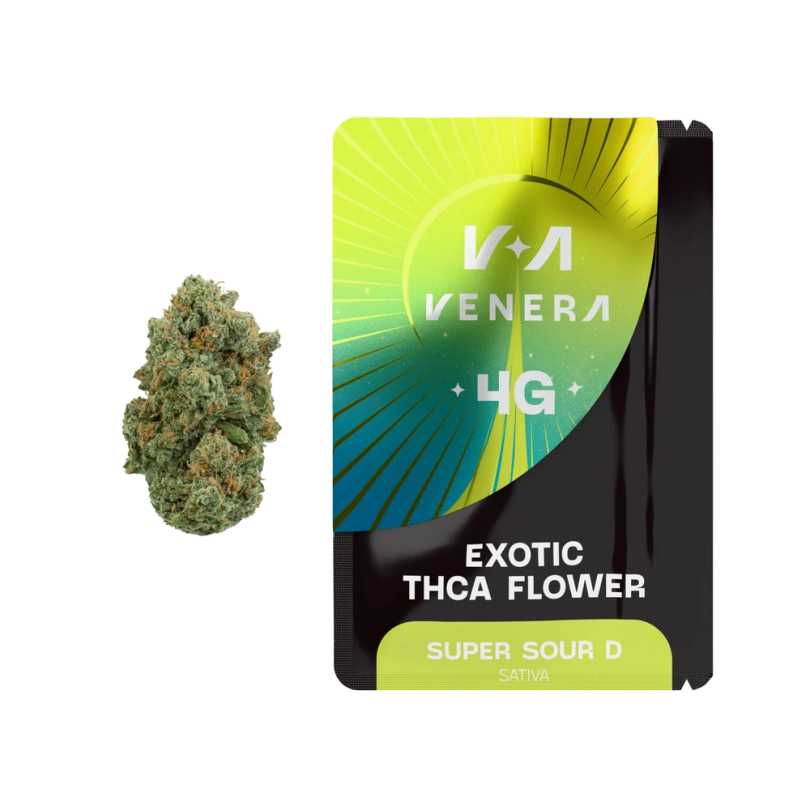
If you’re shopping for premium thca flower, the report attached to that batch is the closest thing you’ll get to a truth serum. It tells you what’s actually in the jar, not what the marketing copy claims is in the jar. Once you know what you’re looking at, reading one takes about two minutes.
Start With the Batch Number, Not the Percentage
Every legitimate COA is tied to a specific batch, not a strain in general. If the batch number on the report doesn’t match the batch number on your packaging, that report is meaningless to you. It might be real, it might even be from the same brand, but it’s not testing the flower in your hand.
This sounds obvious once someone says it out loud, but it’s the single most common thing people miss. A brand can run one clean batch through testing, post that report on the website, then sell six later batches under the same strain name without retesting. The report you’re looking at needs to match the product you’re holding, down to the batch code.
The Cannabinoid Panel Tells You More Than One Number
The front of most packaging leads with total THCA percentage because it’s the number that sells. But the cannabinoid panel inside the report breaks down every compound present, not just THCA.
A few things worth checking here. First is the Delta-9 THC level, which needs to sit under 0.3 percent by dry weight for the flower to be federally compliant hemp. If it’s higher, that’s not a technicality, that’s a legal problem for the seller. Second is the total THC calculation, which accounts for the fact that THCA converts to Delta-9 when heated. The formula is usually THCA times 0.877, plus existing Delta-9. A flower advertised at 30 percent THCA might land closer to 26 percent total THC once you do the math, which is still strong, just not exactly what the front label implied. Third are the minor cannabinoids like CBGA, CBC, and CBN, which show up in small amounts and contribute to the overall effect. They’re not marketing points, but their presence, or complete absence, tells you something about how the plant was grown and processed.
None of this means a lower number is a bad product. It means you should know what you’re actually buying instead of trusting a headline percentage.
Terpene Data Explains the Experience, Not Just the Smell
A lot of buyers ignore the terpene section because it feels like flavor trivia. It’s actually more useful than that. Terpenes influence how a strain feels, not just how it smells.
High myrcene content tends to show up in flower that leans heavier and more sedating. Limonene and pinene-forward profiles usually feel brighter and more alert. If a report shows almost no terpenes at all, that’s often a sign of flower that sat too long before testing, or was cured poorly. Fresh, well-handled flower generally tests in the 1.5 to 3 percent total terpene range. Anything noticeably lower is worth a second thought, regardless of how high the THCA number looks.
This is where checking venera thca listings against their reports actually pays off. A strain description can tell you it’s supposed to feel relaxing. The terpene panel tells you whether the batch in front of you backs that up.
Contaminant Testing Is the Part People Should Actually Worry About
Cannabinoids and terpenes affect your experience. Contaminant results affect your health, and this is the section that gets skipped most often even though it matters the most. A complete report should include results for pesticides, heavy metals like lead, arsenic, cadmium, and mercury, microbials such as mold, yeast, E. coli, and salmonella, and residual solvents if the flower was touched by any extraction process at all. Every one of these should read “pass” or show a number under the established action limit. If a report is missing an entire category, that’s not a small oversight. Full-panel testing exists because flower is an agricultural product, and agricultural products pick up things they shouldn’t. A brand that only tests potency and skips contaminants is choosing not to look for problems, which isn’t the same as not having any.
Check Who Actually Ran the Test
The lab name should be printed clearly, along with its accreditation, usually ISO 17025. If you can’t find who performed the testing, or the lab has no real presence outside of one brand’s website, that’s worth pausing on.
Independent, third-party labs have no financial stake in whether your flower passes. In-house testing, or testing from a lab that only works with one company, doesn’t carry the same weight. It’s not automatically dishonest, but it removes the built-in check that makes third-party testing meaningful in the first place.
A quick search of the lab’s name should turn up other clients, some kind of accreditation record, and ideally a way to contact them directly. If none of that exists, treat the report as unverified.
Dates Matter More Than People Assume
THCA and terpenes both degrade over time. A report dated fourteen months ago tells you almost nothing about the flower sitting in front of you today. Cannabinoids drop gradually with air and light exposure, and terpenes fade even faster.
Look for a test date that’s reasonably close to the packaging or sale date. A few months is normal and expected. A report from over a year ago attached to flowers being sold right now is a mismatch, even if every number on it looks great.
Putting It Together When You’re Actually Shopping
None of this needs to turn grocery shopping into a chemistry exam. The short version: match the batch number, check total THC against the label claim, glance at the terpene percentage, confirm contaminant testing is complete, and make sure the lab and date both check out. That’s five checks, and most take a few seconds once you know where to look on the page.
If a brand makes this information hard to find, hides it behind a generic PDF with no batch matching, or can’t answer a direct question about a specific report, that tells you something too. If you’ve got questions about a specific batch or want help reading a report you’re looking at, Get in Touch and someone can walk you through it.